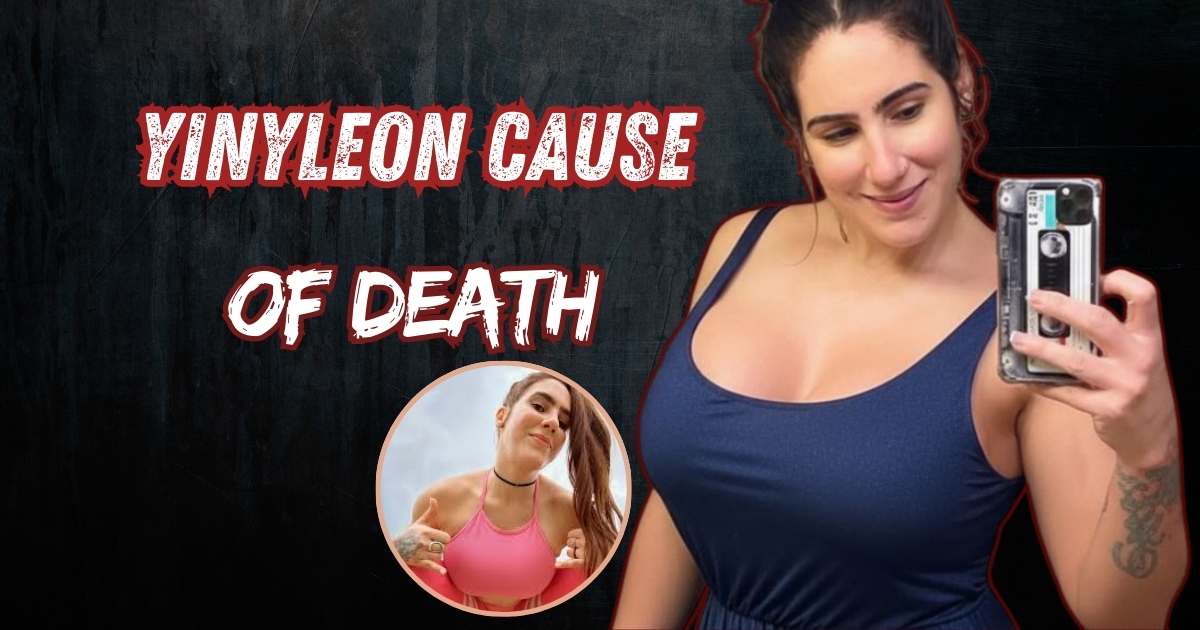
Yinyleon is a rising social media star known for her engaging content and vibrant personality. She has captured the attention of millions across platforms like TikTok, Instagram, and YouTube. Fans love her creativity, charisma, and the consistent updates she shares with her followers. Despite her popularity, Yinyleon recently became the subject of a viral rumor questioning her health and well-being. Headlines and social posts falsely claimed she had passed away, sparking confusion and concern among her audience. These Yinyleon Cause of Death quickly spread online, demonstrating how fast misinformation can circulate.
This article dives into the truth behind the Yinyleon death hoax. We will explore how false claims emerged, the platforms that amplified them, and why fans believed these stories. You’ll also learn how the celebrity confirmed her alive in 2025 status, debunking every rumor.
Related post: Ashlyn Sullivan: Biography, Net Worth, Age, Height, Measurements, Husband, Career
False Yinyleon Death Claims: Broken Down
False reports appeared simultaneously across TikTok, Instagram, Facebook, and Twitter/X. Each version contradicted the others, adding to confusion and panic. Many users shared these posts without verifying the source, spreading the hoax further.
Anonymous accounts Yinyleon Cause of Death“exclusive” information about Yinyleon’s health and personal life. Screenshots and fabricated social media posts circulated widely, making the content appear credible. The strategy relies heavily on fake screenshots on social media to manipulate audience perception.
These contradictions highlight a key aspect of unverified celebrity news. Even conflicting stories can gain traction when audiences emotionally respond first and question later. Recognizing social media hoax patterns is essential for avoiding misinformation.
The Cancer Death Rumors: Yinyleon Cause of Death Cancer
The most persistent rumor claimed that Yinyleon suffered from a terminal illness. Posts described long hospital stays and dramatic treatment timelines. These stories were entirely fabricated and unsupported by any medical documentation.
Cancer narratives exploit public sympathy. People naturally empathize with health struggles, which makes Yinyleon cancer rumors especially effective. Clickbait-driven content amplifies emotional response, increasing shares and engagement.
Legally, medical information is private. The absence of an official statement or verified medical source should have signaled the story’s falsity. Yet silence fueled speculation, showing how fake medical claims online can spread without oversight.
TikTok Death Hoax: Yinyleon TikTok Cause of Death
TikTok became the epicenter for the Yinyleon Cause of Death. Short tribute compilations with dramatic music circulated widely. Creators used old footage with misleading captions, taking advantage of the platform’s algorithmic preference for engagement over accuracy.
Many of these videos exploited TikTok misinformation trend mechanics. Misleading editing, recycled clips, and emotional hooks encouraged shares before viewers questioned the content. The platform’s algorithm amplified the viral spread rapidly.
This demonstrates how fake news on TikTok becomes difficult to contain. Once emotional content gains traction, corrections struggle to match the speed of dissemination. Users must adopt critical thinking and rely on verified celebrity status updates.
Yinyleon Cause of Death Autopsy
Some rumors suggested an autopsy confirmed Yinyleon’s death. This is completely false. Autopsies only occur following verified deaths, and Yinyleon remains alive in 2025. No legal or medical documentation exists for any such procedure.
These claims reflect misunderstanding of celebrity death misinformation protocols. False reports often include fabricated forensic details to appear believable. Americans often misinterpret silence or lack of evidence as confirmation, which hoax creators exploit.
Understanding this mechanism is critical for hoax news detection. Awareness of how false claims leverage authority and official language helps audiences identify digital misinformation impact before it spreads.
The True Story: Yinyleon Lives in 2025
Yinyleon is alive and actively creating content in 2025. Verified accounts, social media activity, and public appearances confirm her ongoing wellness. All previously circulated death rumors were false.
Her Yinyleon 2025 status shows uninterrupted professional engagements, consistent online presence, and continued interaction with fans. These observable facts contradict every fabricated claim, from cancer rumors to TikTok hoaxes.
This truth highlights the importance of online rumor verification. Fact-checking, combined with media literacy awareness, helps fans distinguish between reality and fabricated narratives.
Why the Yinyleon Death Reason Rumors Began
Multiple factors fueled the hoax. Attention-seeking content creators chased viral engagement. Emotional manipulation and clickbait tactics maximized views, prioritizing clicks over accuracy.
Misinterpreted social media posts or old news resurfaced out of context. Algorithms amplified shocking headlines, creating a self-sustaining loop. Many users shared stories without verifying sources, exemplifying emotional manipulation online.
This scenario underscores the need for media literacy awareness and responsible content sharing. Recognizing celebrity rumor psychology can prevent panic and reduce the spread of false information.
Pattern of Celebrity Death Hoax
Celebrity death hoaxes follow predictable patterns. They usually start with an unverified post, followed by rapid social media amplification, mainstream coverage, and eventual debunking. Yinyleon’s hoax mirrored this trajectory.
These patterns include recycled content, misleading captions, and fabricated narratives. Observing these signs equips audiences to detect future hoaxes. Platforms like TikTok, Instagram, and Twitter/X often fail to halt the initial viral spread.
Understanding social media hoax patterns empowers audiences to resist impulsive shares, helping prevent reputation damage from rumors and the psychological effects of public panic reaction.
Clickbait Content Creation
Clickbait lies at the heart of these viral hoaxes. Headlines are designed to shock, provoke, or elicit empathy. Emotional language encourages rapid sharing, sometimes bypassing critical thinking entirely.
Attention-seeking creators exploit algorithm-driven fake news by combining sensationalism with fabricated visuals or quotes. Engagement becomes more important than truth, feeding the disinformation ecosystem.
Recognizing clickbait misinformation tactics is key to avoiding online pitfalls. Evaluating source credibility, cross-checking facts, and understanding emotional manipulation online reduces the likelihood of spreading hoaxes.
Social Media Amplification
Social media algorithms reward engagement, not accuracy. Emotional posts, shocking headlines, and videos designed to provoke outrage reach millions quickly.
This explains why online misinformation spread accelerates faster than corrections. Once false content reaches a critical mass, even fact-checking struggles to catch up. Platforms often unintentionally reinforce viral hoaxes through algorithmic preference.
Understanding algorithmic amplification and emotional manipulation online is essential. Users can slow the spread by reporting misinformation and promoting verified content.
Lack of Immediate Response
Delays in official statements give hoaxes space to thrive. Yinyleon’s team, like many public figures, initially refrained from immediate comments. Rumors filled this vacuum, amplifying panic.
This gap demonstrates the role of timing in viral fake news. Silence or delayed clarification often misleads audiences into accepting false claims. The lesson: wait for verified celebrity status updates before believing sensational stories.
The pattern also highlights the importance of online rumor verification and critical thinking online. Audiences should question shocking claims and prioritize trusted sources.
Effects of Fake Yinyleon Cause of Death Reports
False reports have consequences beyond confusion. They erode trust, cause emotional distress, and sometimes harm careers. Social feeds become polluted with internet death rumors, making future verification more difficult.
Repeated exposure to misinformation contributes to psychological impact of fake news. Fans experience grief, anxiety, and skepticism toward all celebrity news. Platforms also struggle with platform accountability, needing better moderation systems.
Table: Key Effects of False Death Reports
| Effect | Impact | Example |
| Emotional distress | Anxiety and grief | Fans panic over Yinyleon death rumors |
| Reputation damage | Career risk | Search results polluted by false claims |
| Trust erosion | Skepticism | Reduced faith in online news |
| Mental health impact | Stress | Followers need professional help |
Emotional Distress for Fans
Fans form deep emotional connections with public figures. False death reports trigger real grief, confusion, and anxiety. Emotional manipulation online amplifies this reaction, exploiting celebrity rumor psychology.
Parasocial bonds make audiences vulnerable. People respond as if a loved one is involved, causing public panic reaction. For some, repeated exposure may contribute to ongoing mental health struggles.
Awareness and media literacy help mitigate these effects. Educating fans on fact-checking viral news can prevent emotional overreaction.
Damage to Reputation
False rumors damage public perception. Search engines store false death reports, creating long-lasting reputation problems. Even after correction, misinformation persists online.
Celebrities like Yinyleon face celebrity reputation management challenges. Misleading stories can harm endorsements, project opportunities, and fan trust.
Proactive monitoring, reporting misinformation, and promoting verified celebrity status updates are essential strategies for minimizing long-term damage.
Mental Health Impact
Misinformation affects both fans and public figures. Anxiety, stress, and obsessive monitoring of rumors contribute to significant mental health concerns. Psychological impact of fake news can be profound, particularly when death hoaxes are repeated.
Mental health professionals note that repeated false reports trigger a mix of grief, paranoia, and distrust. Platforms must consider digital misinformation impact as a public health concern.
Misinformation Proliferation
Each hoax reduces audience skepticism. Exposure to viral fake news makes future lies more believable. Audiences become desensitized, allowing misinformation to propagate effortlessly.
Understanding online hoax patterns and disinformation ecosystem mechanics empowers users to resist sharing unverified content. Education, awareness, and verification tools are essential.
Debunking Specific Yinyleon Cause of Death Claims
Fact-based refutation is critical. Each false claim needs structured examination to restore truth. Debunking death rumors involves presenting evidence, context, and authoritative verification.
This approach counteracts celebrity death hoaxes systematically. Fans can then distinguish between emotional manipulation and verified facts. Fact-checking viral news ensures long-term media literacy improvements.
Claim #1: Yinyleon Cause of Death Cancer
Status: Completely fabricated. No medical records, hospitals, or official statements confirm any illness.
- Emotional sharing amplified the cancer narrative.
- No verified source supports the claim.
- Yinyleon remains active in all professional engagements in 2025.
Understanding fake medical claims online helps prevent belief in similar hoaxes.
Claim #2: Tragic Accident Death
Status: Entirely false. Police reports and mainstream news show no accident.
- Accident narratives often include dramatic details to seem credible.
- Fake screenshots made stories appear legitimate.
- No evidence exists on social media or traditional outlets.
Recognizing these red flags improves hoax news detection skills.
Claim #3: Health Complications
Status: Baseless and unfounded. Yinyleon shows no health issues in verified updates.
- Claims rely on vague language and fear tactics.
- Fans can verify wellness through active social media engagement.
- Continuous public appearances confirm normal health status.
Awareness of false celebrity health rumors is essential in combating celebrity death misinformation.
Claim #4: Yinyleon TikTok Cause of Death
Status: Manipulated videos spread deliberately.
- Old footage paired with misleading captions caused confusion.
- Motivated entirely by viral attention-seeking creators.
- No credible sources validate these TikTok rumors.
Understanding TikTok misinformation trend and algorithmic amplification helps prevent falling for similar hoaxes.
Conclusion
Yinyleon remains alive and thriving in 2025. All death rumors, including cancer, accidents, and TikTok hoaxes, are false death reports.
This case highlights the dangers of social media misinformation, viral fake news, and digital misinformation impact. Critical thinking, media literacy, and responsible sharing are key defenses.
Fans and audiences must report unverified news, prioritize verified celebrity status updates, and educate peers about online rumor verification. Each individual action reduces the spread of celebrity death hoaxes and fosters a healthier digital environment.
Remember: Question everything, verify before sharing, and protect your mental well-being from emotional manipulation online.